
Cotton Bureau Collaborations #002: Panic
Next up in our series of conversations with some of our favorite companies on Cotton Bureau, we’re talking to Neven Mrgan of Panic about his experience designing, publishing, and, of course, merchandising indie video games.
Hey, Neven. I have to say, I’m looking forward to this conversation. I’ve long admired the wide range of your personal and professional accomplishments. Before we get into how Playdate and Cotton Bureau have been working together on video game merch, could you give everyone a little bit of background on how you ended up as both indie “designer, game maker, and writer” and how that experience has translated into your day-to-day responsibilities at Panic?
As far back as I can remember, I always wanted to be a designer. Somehow, it worked out for me in the long run—I’ve worked in design for the past twenty years. In my lifetime, that has meant largely digital design, which videogames are a pure and extreme expression of. I loved making little interactive experiences on the web in the 2000s: single-serving sites, tech demos, zines. And as someone with fond memories of games played on the C64, Amiga, and NES, I had that standard late-90s dream of being a videogame designer. It felt totally out of reach, however—until the App Store introduced a new platform for games in 2008. Since everyone was new to this, it felt less intimidating to me, and I got to work on early iPhone games with my friend Matt Comi.
And as for writing, you’re looking at a classic book-readin’ nerd here, the kid who spent the summer break walking to the library every day. Writing feels like an extension of reading to me, and reading is something I do all the time as a form of mental hygiene. If I’m not currently reading two books, I get itchy.
At Panic, I’m currently the Creative Lead (and still a Designer at heart.) We’re a small company doing things entirely too big for our pants-size: coding developer apps, sure, but also publishing videogames, and making our own handheld gaming console. I get to work on the design of all of this: app UI, marketing websites, trade show booths, hardware, games themselves. Every day is a wacky casserole of nearly random ingredients… and I like it that way.
So, on the topic of Panic and tackling some pretty big projects, can you go into a little detail about how the game publishing part of the company got started? You all aren’t shy about telling this story, but it’s still fascinating. How did you go from a pretty straightforward Mac software business to supporting developers who make video games and, eventually, building your own handheld console?
We’ve always been flexible, and we’ve always been into videogames. Back in the 2000s, we had the goofy idea of being the US seller of official shirts for the game Katamari Damacy—and it was a lot of fun! It seemed like somehow, we could turn that into proper game involvement…
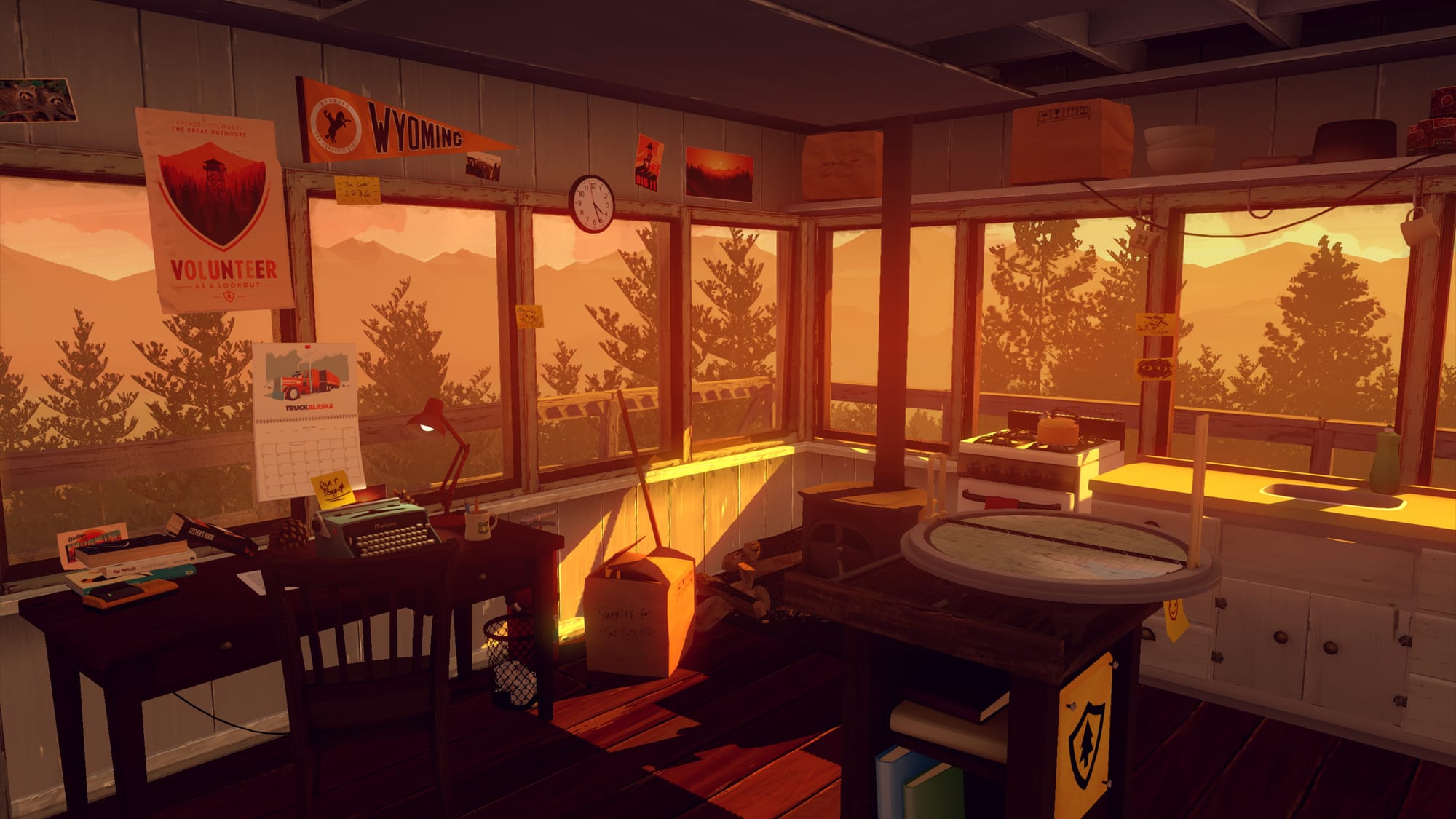
But this didn’t happen until 2013 or so, when our longtime friend Jake (creator of custom “faces” for our Audion music player, many years prior to this!) co-founded a game studio called Campo Santo to make the game Firewatch. We thought we could maybe help with publishing, a task that was notoriously annoying for mid-size game teams at the time; we were told the terms offered were usually not… amazing. So we offered hopefully better ones. And it went well for everyone, it seems!
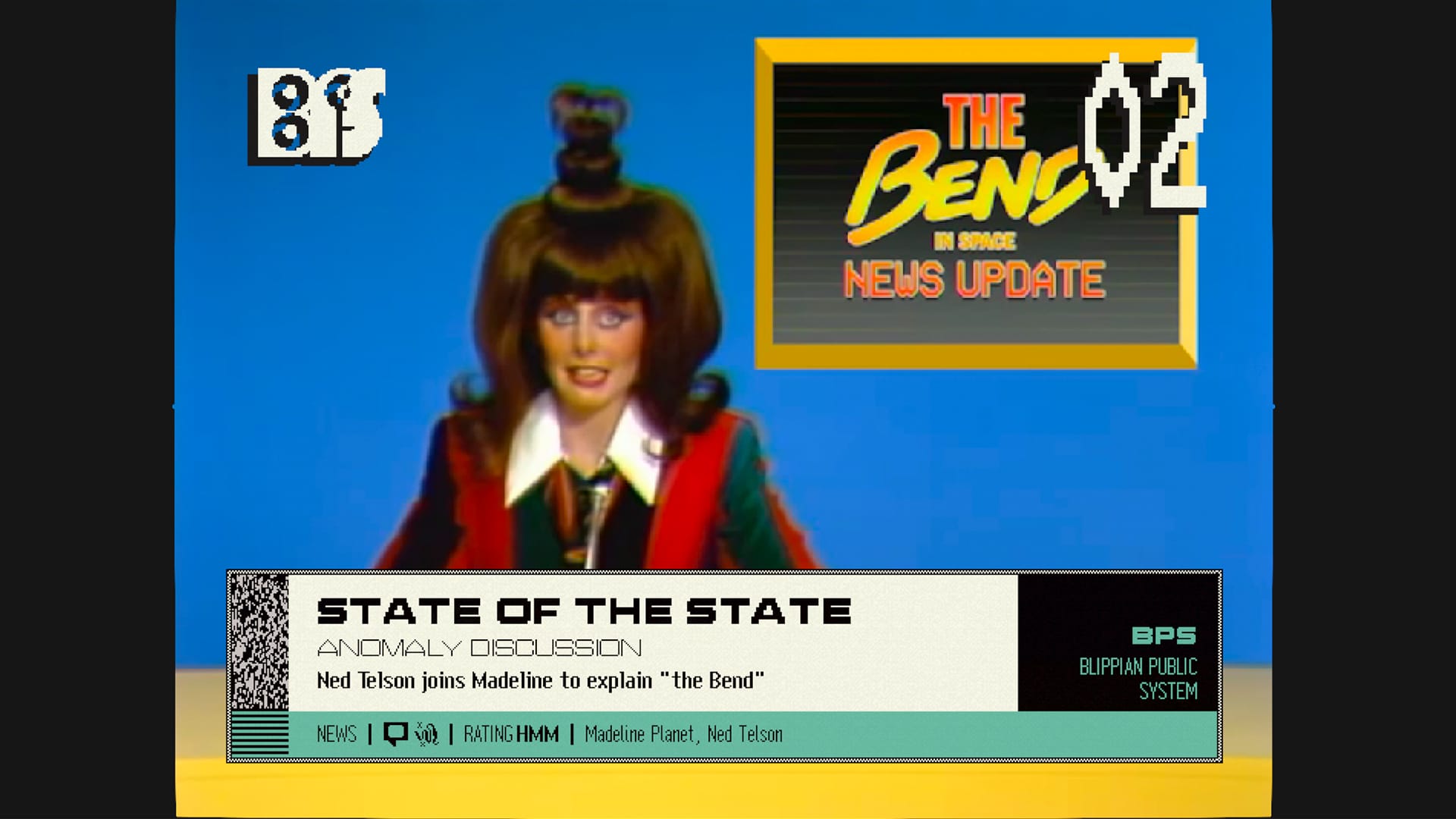
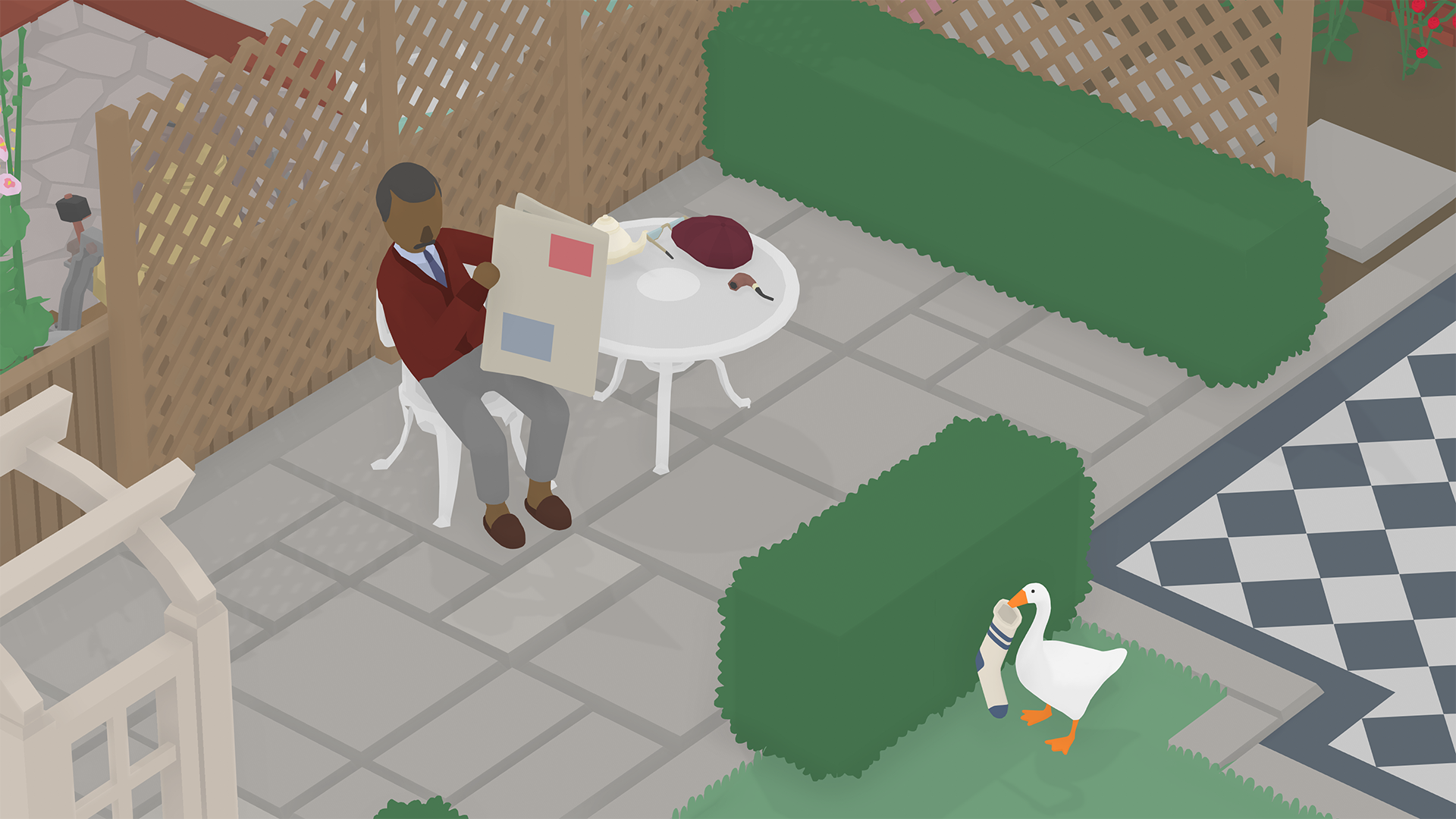
We assumed this episode was a one-off, but then one day we found ourselves chuckling at GIFs of this goose-based game we’d seen online, and maybe… just maybe… we could publish that one, too? This got the ball rolling, so pretty soon we had an actual Publishing Team. Ten years after Firewatch, we’ve signed about a dozen lovely videogames, including the Yorkshire comedy slapformer Thank Goodness You’re Here!, the intergalactic TV signal Blippo+, and the Ecuadorean soccer-memory despelote. Games are now a major part of our business; a really fun and rewarding one.
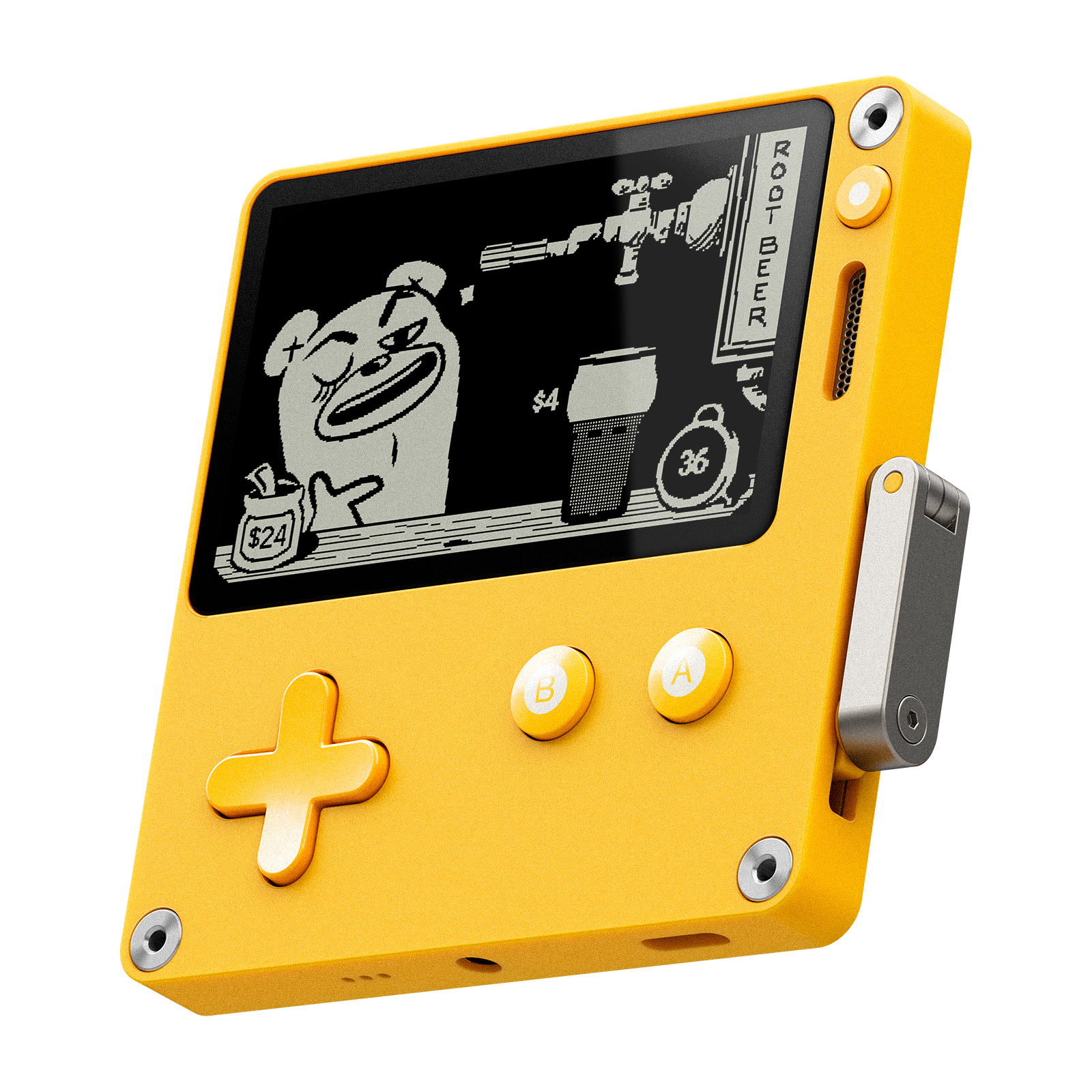
The story of Playdate, our handheld game console—a fairly mad thing for a small company with no experience in hardware to be making—is even less intentional. Basically, in the 2010s we wanted to make a cool little gift for our friends and business partners, to mark our 20th anniversary. (Yes, Panic has been around for that long—we’re older than Facebook or Google!) It began as a clock with a cool e-ink-like screen, and we thought it would be cool if the clock face changed unexpectedly, as a little surprise. Once we had it running, we kept writing software for it, including little games, until it occurred to us one day that we had accidentally made a Game Boy of our own.
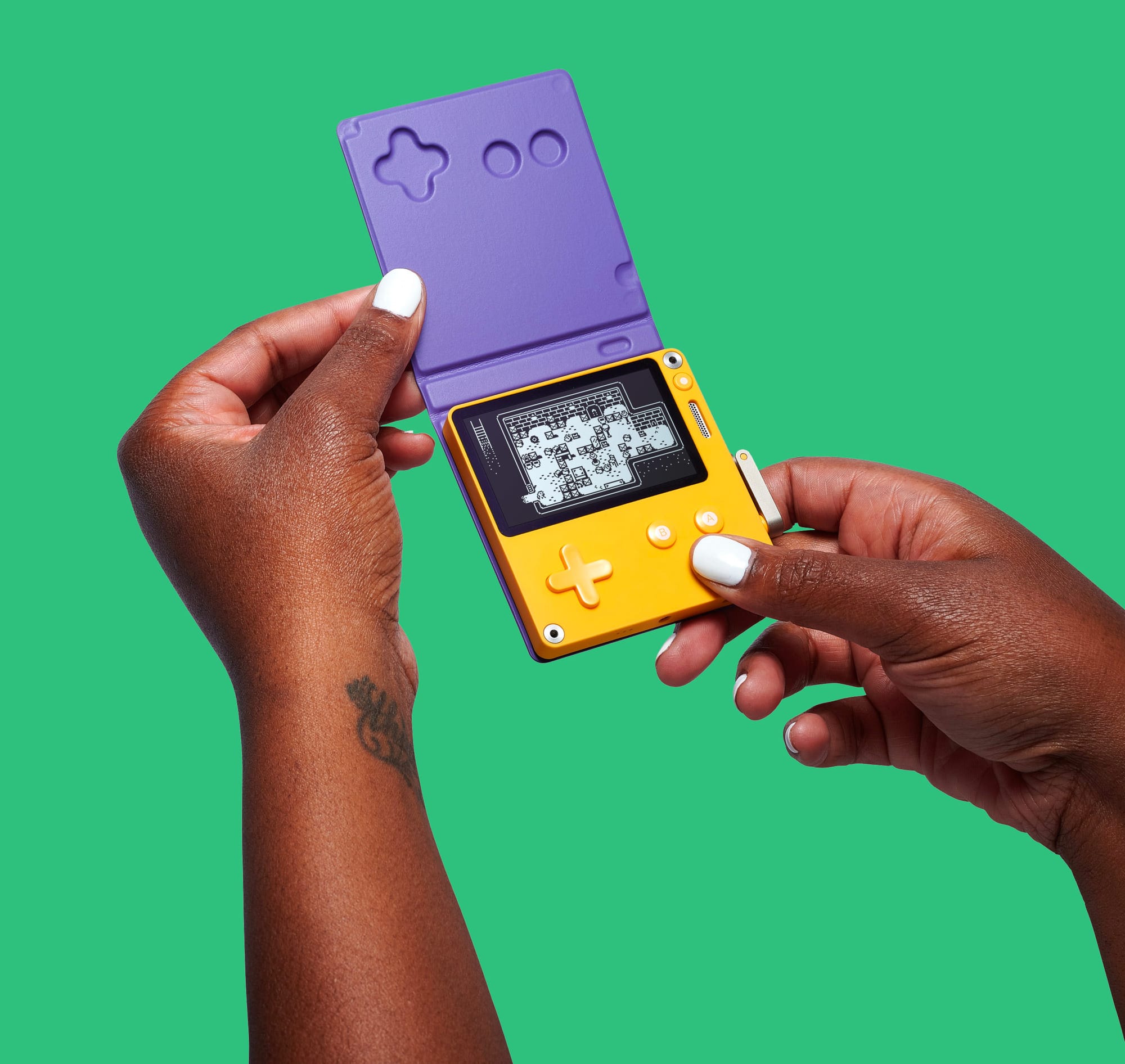
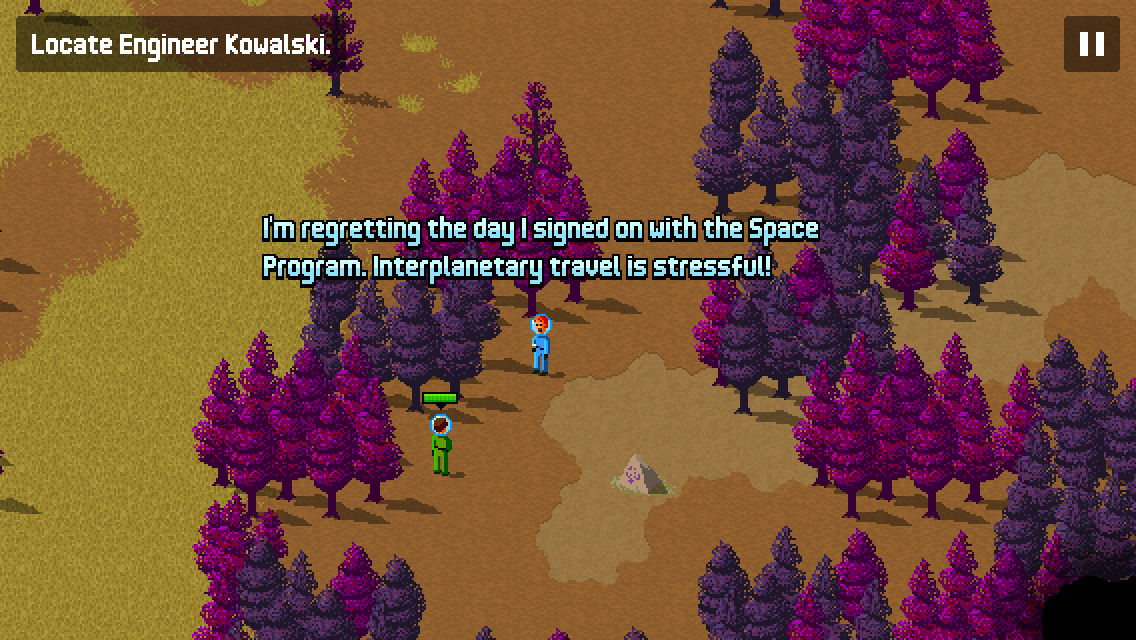
Taking the project seriously at this point, we contacted our friends at Teenage Engineering, an amazing Swedish company, to help us construct and manufacture it. They provided design input and shared their vast factory/logistics knowledge. Pretty soon, we had a manufacturing line in Malaysia, a custom OS and SDK, and a list of developers we’d secretly shared this dream with, eager to make something all-new for it. Against all odds, it all just came together: a handheld gaming console unlike any other, with a 1-bit screen, a crank, and its own game ecosystem. Twenty-four surprise games delivered weekly, an on-device game store, a constant stream of wonderful new titles.
Had someone told us at the start we’d need to build and do all of this, we would’ve said “well no thank you then” very quickly. Luckily, we had no idea how much work it would all be.
I love this story on so many levels, from the t-shirt origin story to the very real sense of “oh no how did we find ourselves here and what are we going to do about it?” that is so familiar to anyone running a business.
Of course I can’t resist the perfect segue you provided: with Panic’s experience partnering with Katamari Damacy to retail official game merch, you’re obviously familiar with how physical goods intersect with virtual experiences — I would say, “the role merch can play in enhancing the video game experience and elevating the brand”, but why use jargon to describe what is really just designers having fun with t-shirts and other novelties that fans might appreciate?
Can you talk a little about some of the things you have made in the past to support your games and what the last few years have been like as we have been able to work together on Playdate goods and apparel?
My favorite way of approaching merchandise for videogames is thinking of in-world items that would exist inside the game itself. For Firewatch, we made a set of notebooks styled after the pulp paperback novels in the tower, and posters that were meant to be part of a government PSA campaign about forest fires.
For Untitled Goose Game, the team wanted to have a number of artists they like reinterpret the game through their own art styles—another strategy I’m a fan of. Personally I’m not too precious about the specifics of being on-model and brand-accurate, as long as something of the spirit of the game is captured earnestly in the art. Once a thing is out in the world, it sort of belongs to those who love it.
I’d like to do a wacky, novelty item for every game, but at the end of the day, people wear clothing and put stickers on things, so we end up making a lot of those. For Playdate, I decided to lean into fan service and give the diehards what they want: logo shirts, popular games. But we snuck in some deep cuts, like a reference to our ancient “hi, I make Macintosh software” and the mascot of our developer documentation, named Crankles by the community.
When we put together Season Two of Playdate games, I worked with each dev team to make products on Cotton Bureau for their game. There’s a variety of approaches there, from using the game’s own pixel art, to beautiful, elaborate illustrations.
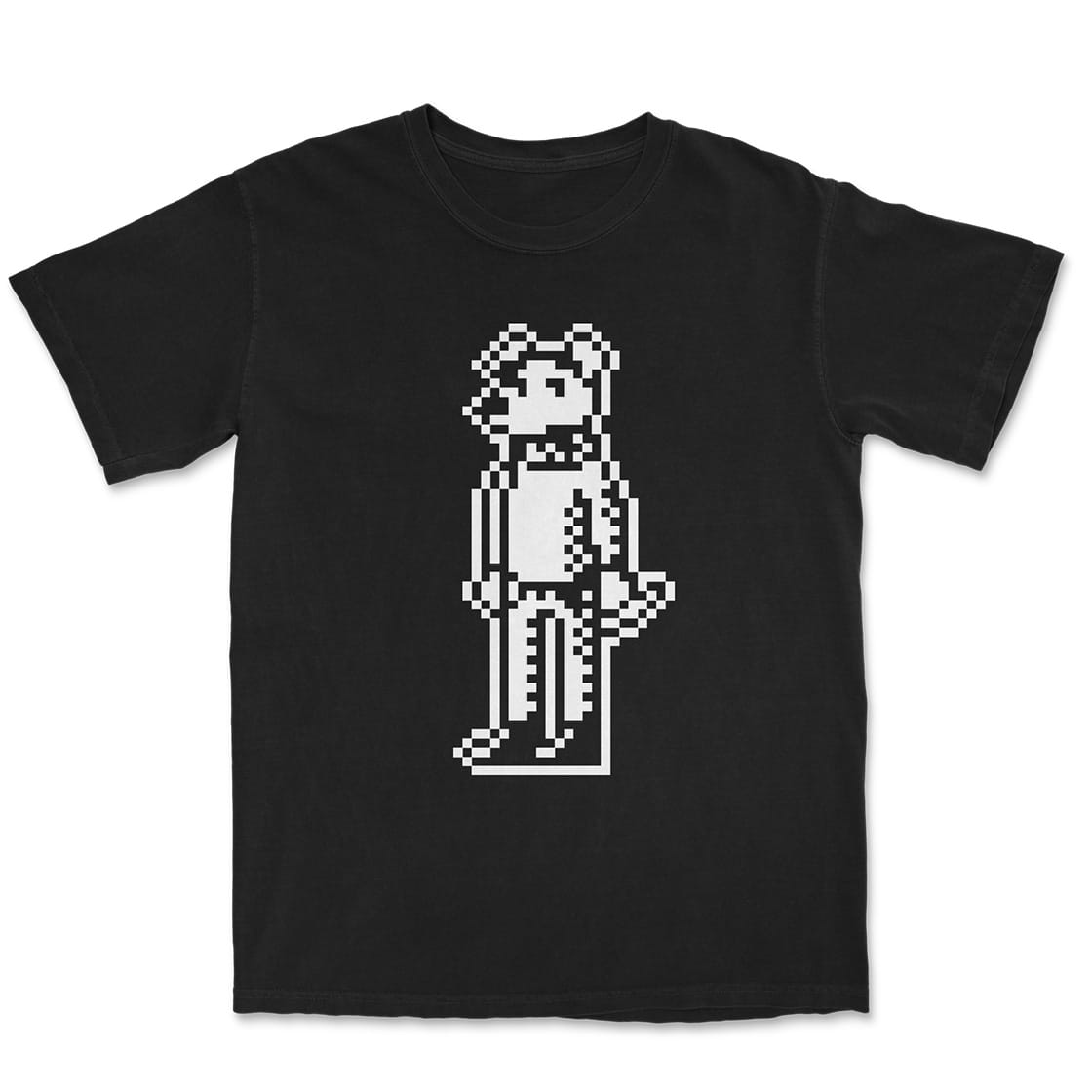
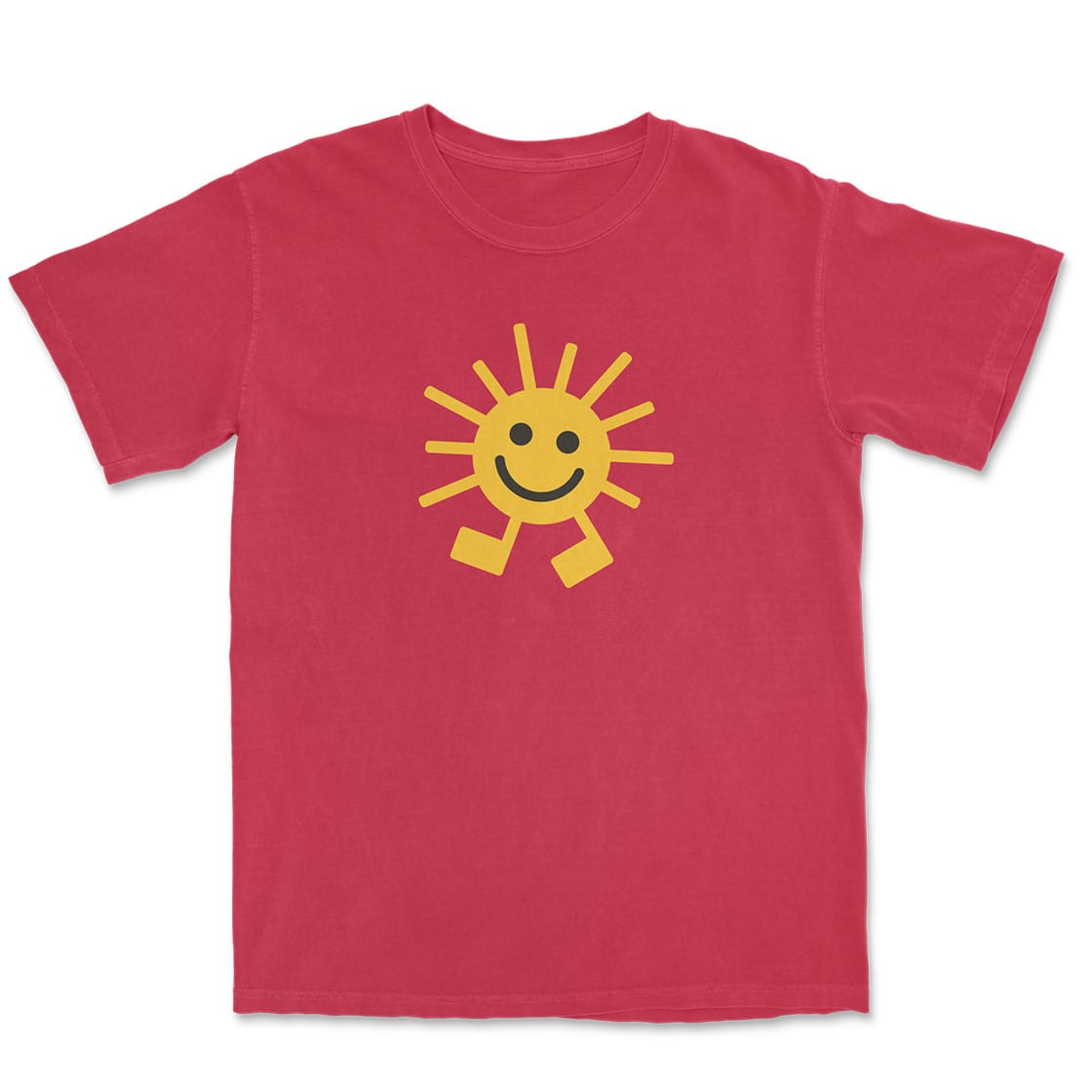
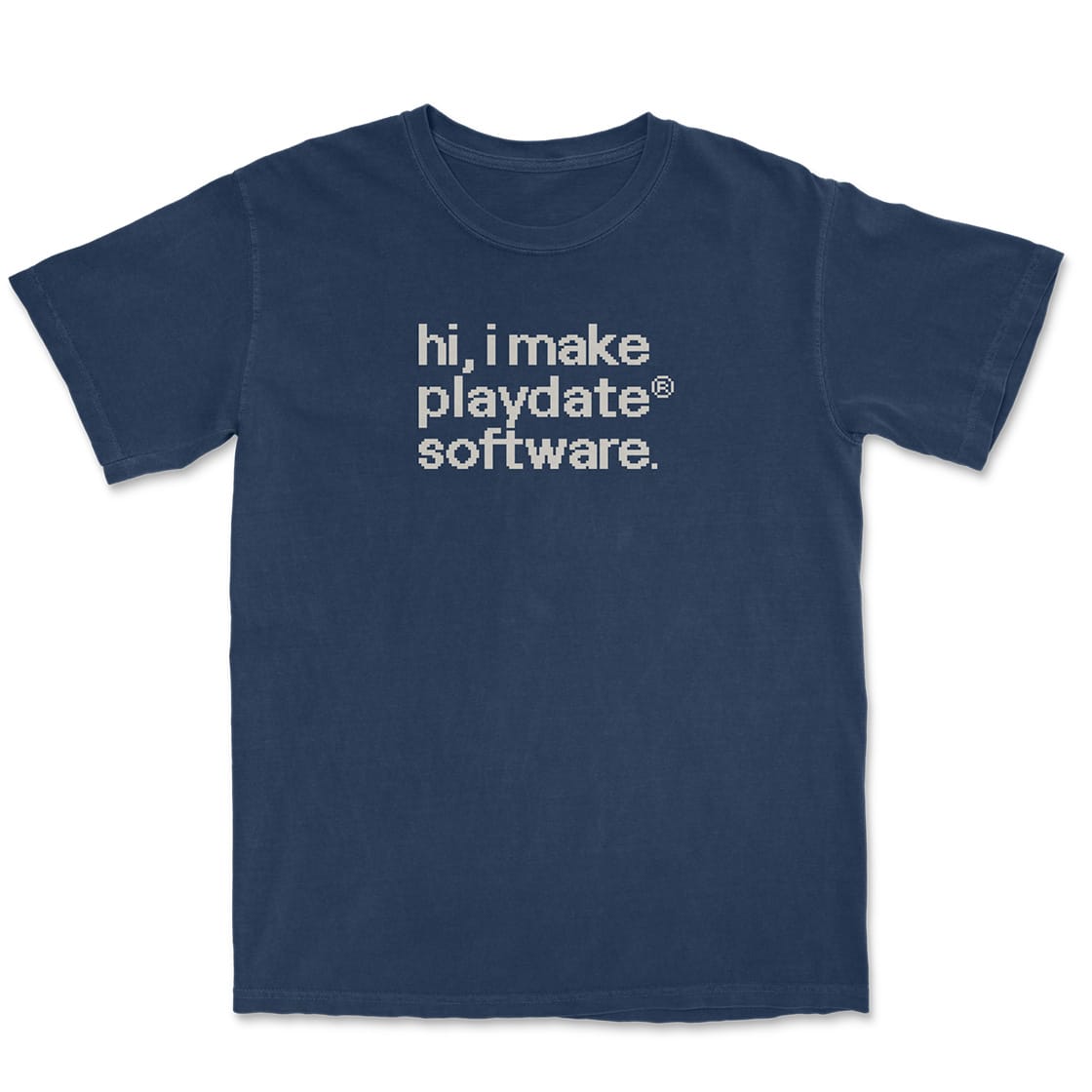
I’m glad we could make something physical for every title. Cotton Bureau have been an ideal partner for our Playdate merch: easy to work with, making high-quality products, and making us look good in the process. It would take us aeons to figure out everything you do, so this way we can just focus on the creative work, and let the pros handle the logistics.
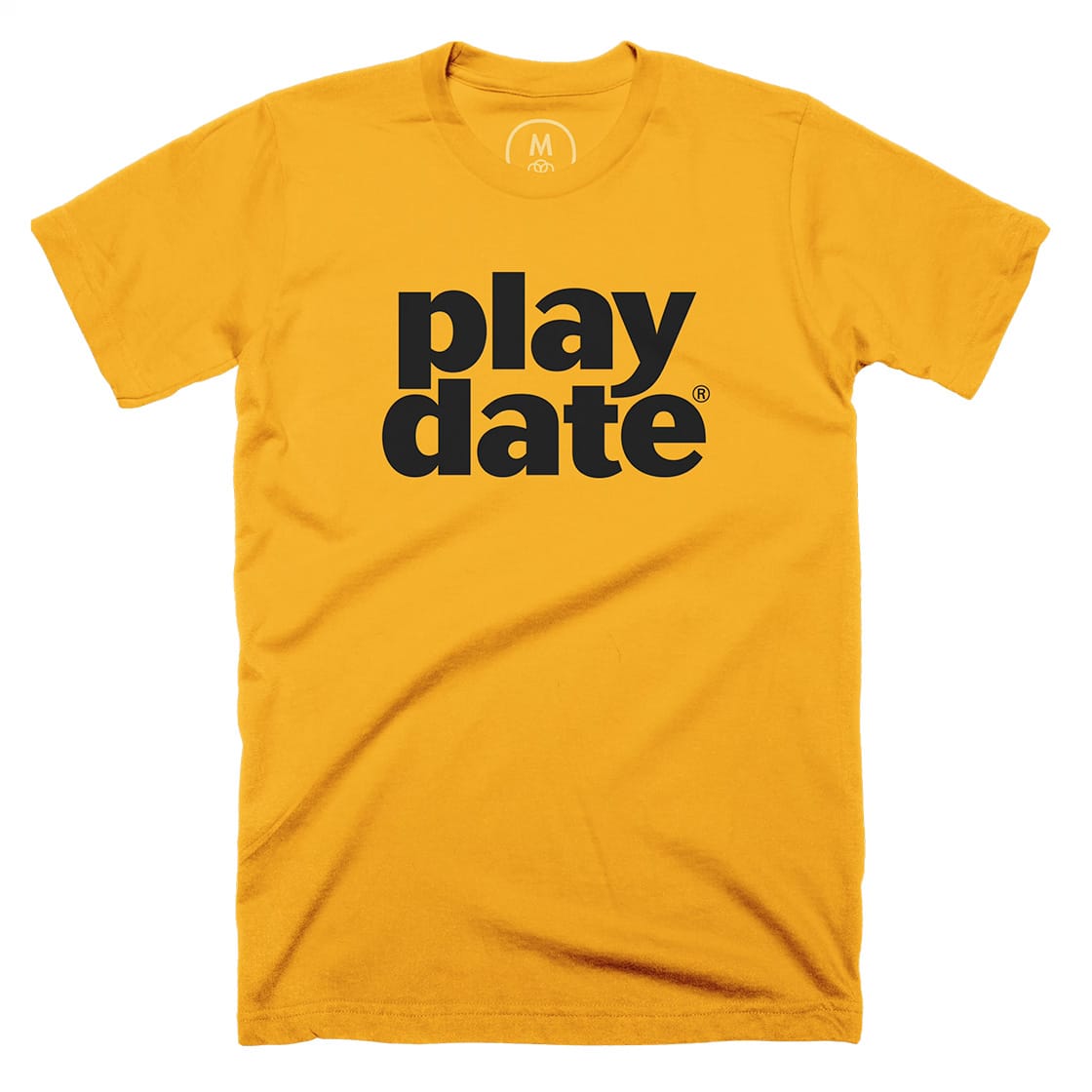
Well shucks, that is awfully nice of you to say. It’s a privilege for us to work together. And I couldn’t agree more, while there is always a strong appetite for logo tees, the quirkier items are usually my favorites, like the Root Bear Perfect Pour pint glass. Or, from your earlier games, the Firewatch posters from Olly. I love everything NPS, so they were right in my wheelhouse.
Thank you so much as always for your time, Neven. What a fun way for us to continue this new series of conversations with some of our favorite companies and communities. Good luck with Season 3!