
Cotton Bureau Collaborations #003: NextDraft

I couldn’t be happier to introduce Dave Pell, owner and operator of NextDraft. Dave’s been using Cotton Bureau almost since the beginning to get his readers the highest quality tees and raise a little money for charity at the same time. Please enjoy our brief chat on writing, AI, t-shirts, and gambling.
Dave! I often find myself beginning these conversations by looking back and marveling at how long it’s been since we started working together. In your case, our little business relationship is now entering it’s second decade, which I have to say is pretty good. Let’s start by just establishing what you do and, maybe more importantly, why you do it.
You read the news, condense it, and add your thoughts. And you’ve been doing it a long time. Is that right? Your bio says “I Am the Algorithm”, which is pithy, but with AI going from fantasy to if not ubiquitous perhaps ubiquity-adjacent have you seen any evolution in your particular approach to the newsletter?
I used to type up my thoughts and updates from life into 30-40 page documents, before printing out and binding copies of the material, which I’d then snailmail to my friends. So I was basically blogging before the web. Writing has always been my main passion, so I couldn’t have been more excited to see the creative expression possibilities offered by the early internet. (I’m guessing my friends who received my 30-40 page printed missives were pretty happy I had a new outlet as well.) I basically used various internet tools and strategies to combine my core skills, interests, and addictions into a single product.
I like to think of NextDraft as a modern-day column; it’s essentially a personality-driven look at the day’s most fascinating news. It probably says more about me than the technology that I haven’t changed my approach or the tools I use to deliver NextDraft, even as AI has swept across our screens. I use about 75 Safari open tabs to find the stories I want to feature, I write up the content (including html tags) in BBEdit, and I publish NextDraft as a blog, an app, and most importantly, a newsletter. The tagline “I am the algorithm” was originally aimed at making a clear contrast between my human- driven and written content and the garbage being force-fed into our social media feeds. With the emergence of AI, that contrast between human and machine creations has only become more crucial. In the early days of NextDraft, I’d occasionally get complaints of bias from readers. I’d always respond that yes, of course, my content is biased. It’s a personality-centric endeavor. I mean, my head is the logo...
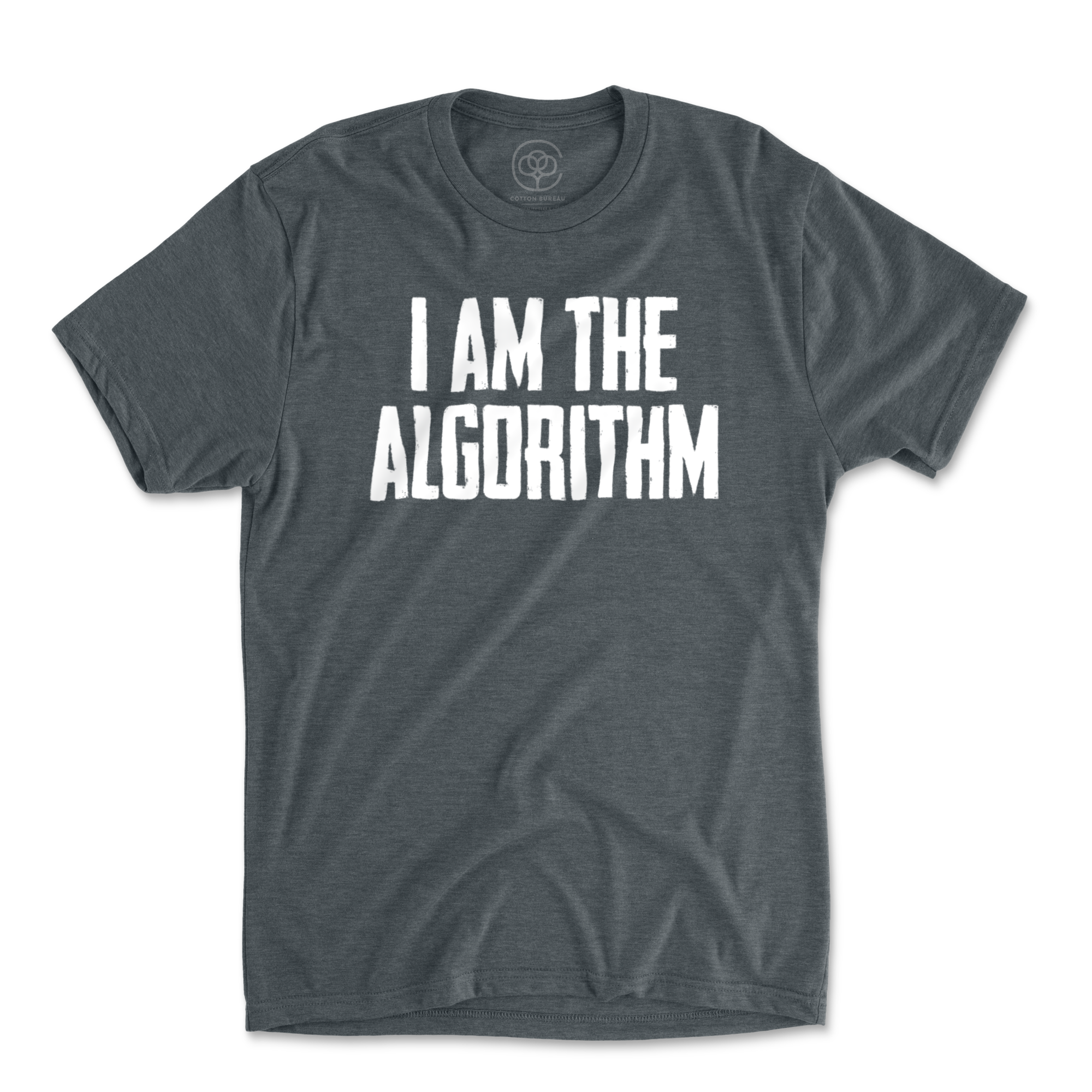
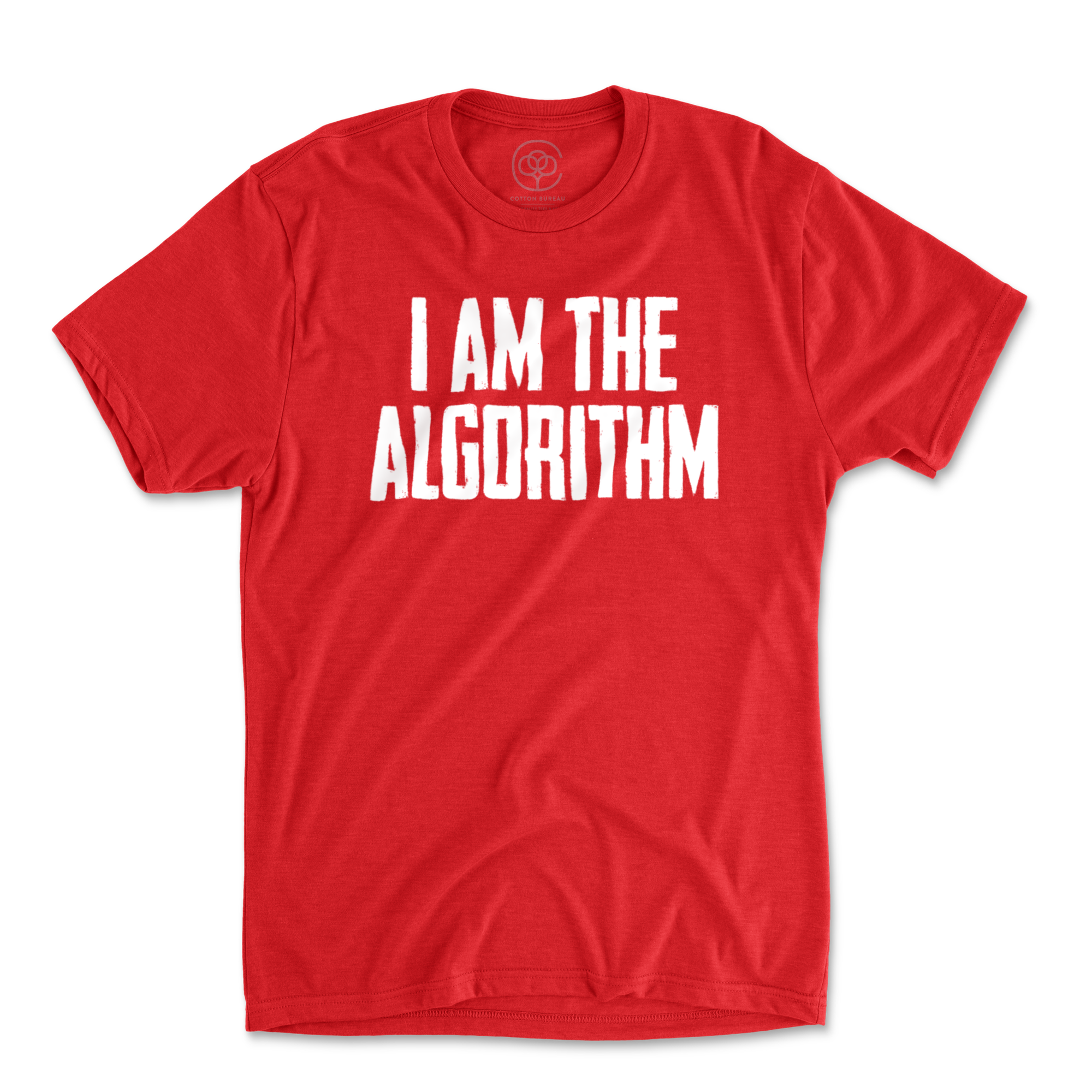
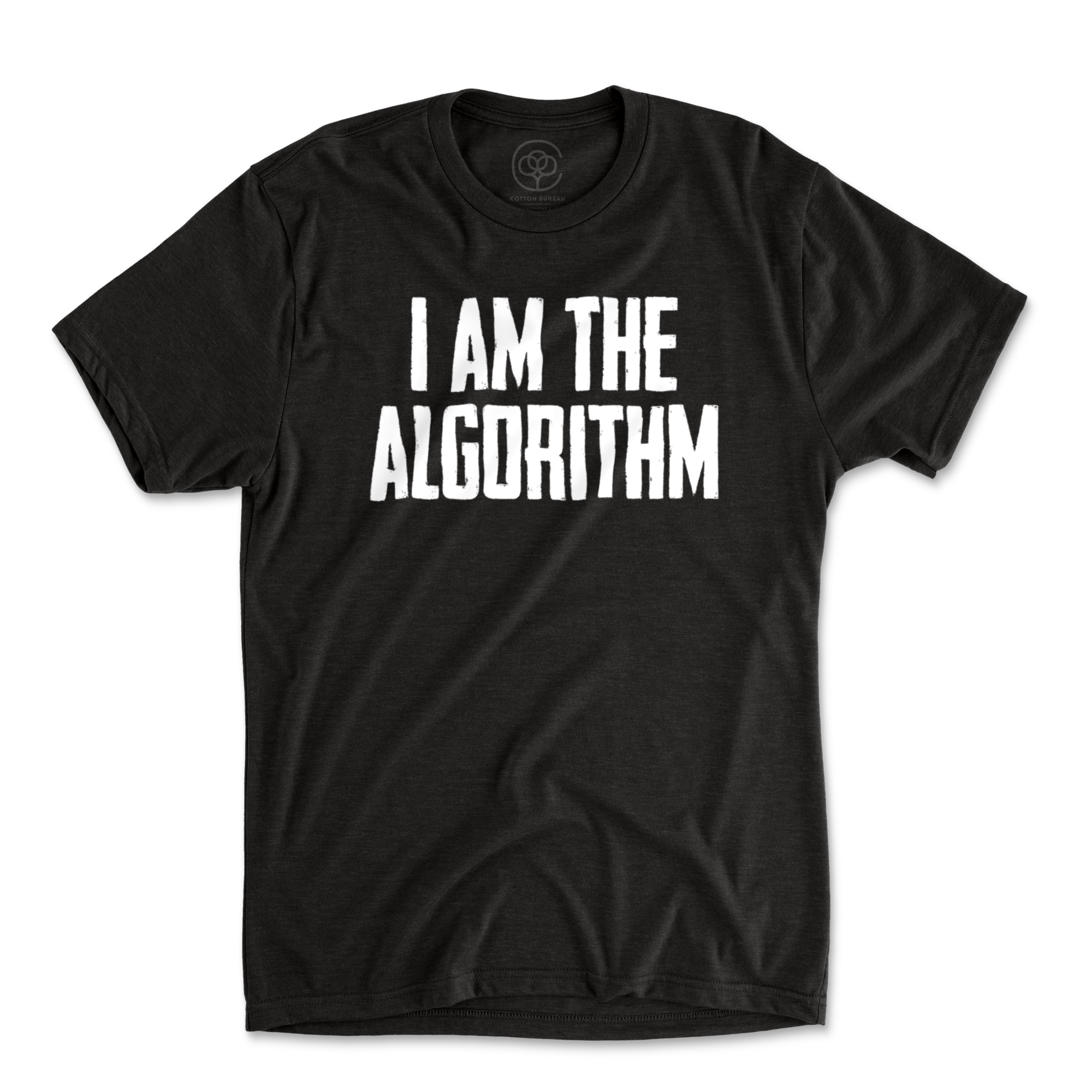
He is the algorithm.
Thirty to 40 printed pages! I thought I liked to write and annoy my friends. That’s truly incredible.
It sounds like the plan then is to keep going, like John Henry against the steam drill? I wouldn’t expect anything less. In my imagination, the Dave Pell head logo is channeling its inner William F. Buckley. NextDraft will continue to exist, standing athwart the AI onslaught yelling “Stop!” Or, perhaps at least surveying and ridiculing our self-inflicted slopfest from an appropriate vantage.
I probably had that much output daily back when Twitter was good.
I’m not sure which metaphor is farther from my reality, the physical strength associated with John Henry or the politics of William F Buckley. But yes, NextDraft will continue to go on, partly because I don’t want to give up the good fight during these dark and deeply troubled times in America, and partly because I am addicted to two things: The news and having my writing be read. So even if they want me out, I keep pulling myself back in.
I don’t think there’s any stopping the AI onslaught, but I hope there’s still room for human-created and curated content. I have a feeling the human stuff will be even more highly valued. But that’s probably just my Humanities degree talking.
I make no apologies for my references. Your output and resilience in the face of technology is admirable regardless. We’ll just have to hope you can avoid their fates.
Being on the internet means never having to say you’re sorry.
I also appreciate that you self-identify as a columnist. As someone who would read the Sunday paper cover to cover and carried a pre-cellular Palm Pilot to school just to have enough news to keep myself entertained, I have many fond memories of reading those men and women who owned their inches week after week after week.
Do you see any particular writers’ fingerprints on your newsletter? I’m curious who and what has influenced you most over the years.
In a lot of ways, I patterned my modern-day column after the style of SF Chronicle columnist Herb Caen. His focus was local and much more gossipy, but he created what’s known as three-dot journalism. He would have short blurbs on different topics, each separated on the page by three dots. I follow essentially the same model by sharing the top stories of the day, covering a variety of different subjects that can run the gamut from deadly serious to drop-dead funny. Caen also inserted a lot of personality and pithy humor into his column, and I try to do the same. I always laugh when readers accuse me of being opinionated or biased. Of course I am. It’s my column. I mean, come on, my head is the logo.
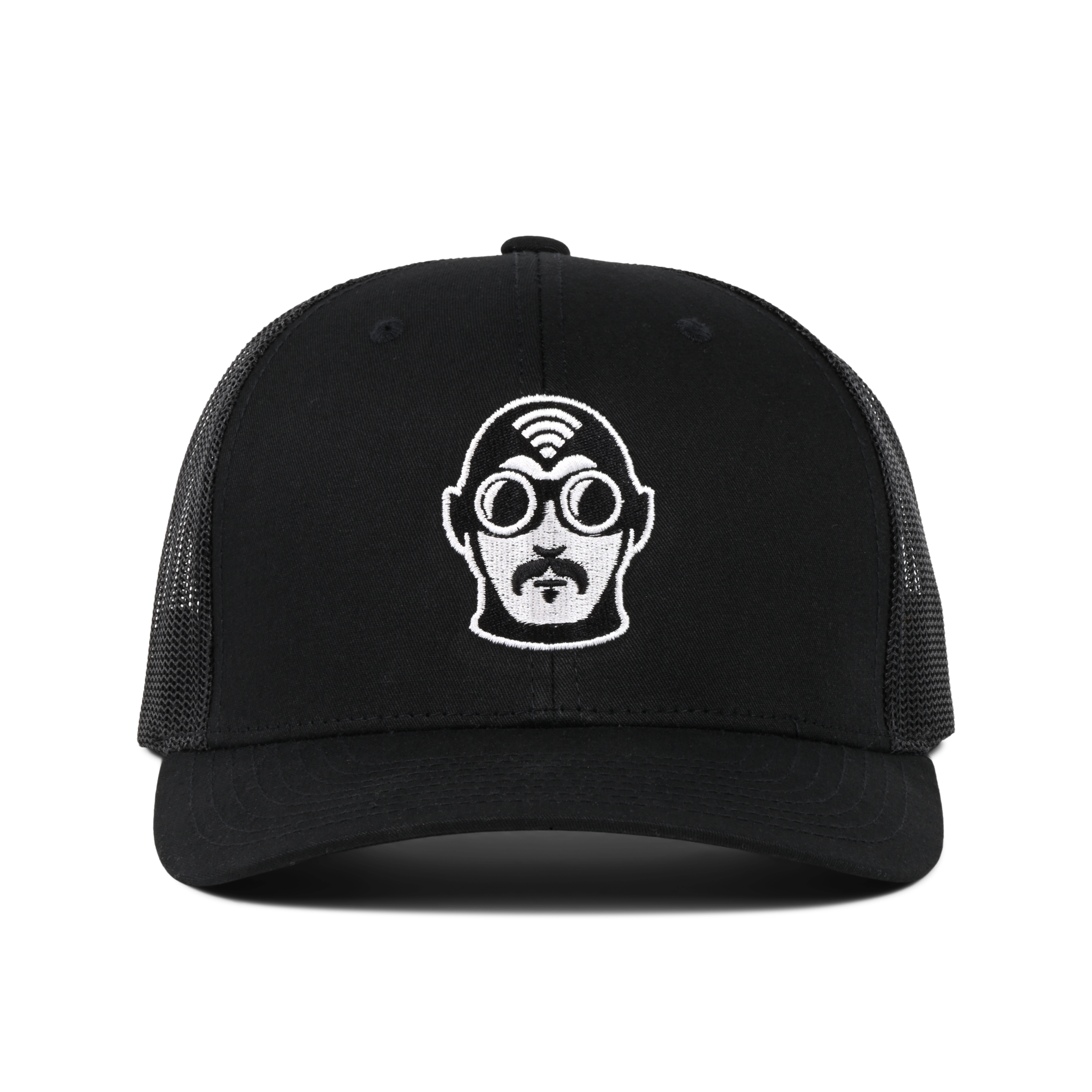
Headgear.
You’re a published author in addition to being a prolific poster. I’m fairly agnostic myself when choosing between the Declines and Falls of the world and the well-aimed bon mot, but there’s no denying the pace of change and patience of the reader have combined to favor speed and economy of words.
Do you lean one way or the other? Our current frenetic pace seems to suit you well, but maybe you harbor a hidden affection for monthly magazines or other, calmer fora of years and decades past.
I’ve been tweaking on internet news and social media feeds for so long that, at this point, I’m pretty sure I write better distracted. But when it comes to reading, I prefer the longer form features. In terms of books, there was a time when I read nothing but nonfiction. But, like many of us, the nonfiction being served up by the world these days gives me more than I can take, so when the lights (other than the dim one from my Kindle) go out, I always reach for a novel. At this point, I find fiction is more realistic than reality.
Oh, that’s fascinating. I was familiar with the three-dot style but not the provenance.
I’m a sucker for a good name, and NextDraft is pretty solid. How did you end up choosing that as the masthead?
There’s a familiar adage that journalism is the first rough draft of history. I provide a quick and timely overview of the journalism of the day, hence, my newsletter is the … NextDraft.
It was mentioned at the outset, but we’ve been working together for years now to make NextDraft merch available to your astute readers. What does your process look like for that, and what makes you interested in offering t-shirts, hats, etc. at all?
The combination of loving my logo, a healthy ego, and digging the process of making, wearing, and seeing NextDraft merch in the wild is what drives me to put the shirts, etc, out there.
I’m also a massive fan of Cotton Bureau, where I essentially get my entire wardrobe. It’s so great to combine the creativity of makers with a indie brand determined to sell quality products.
To design the shirts, I work with my longtime designer/collaborator Bryan Bell, who is a great designer and person, aside from being a Dodgers fan.
A theme emerges.
Last one, and I don’t even know what made me want to ask other than that it’s been on my mind a lot the past year or so: do you have any thoughts on prediction markets, betting apps, and gambling in general? It’s a polarizing topic, but I find myself usually in the boring middle seeing both value and harm.
Let’s see if I can move you away from that middle position. Prediction app makers knowingly and aggressively combine the most addictive elements of gambling, social media, and gamification and then target young people (especially males) who were already in the midst of a gambling epidemic brought on by sports betting apps.
Unlike social media companies, which started out with at least a few positive goals, and only later embraced the elements that would fray society, foment divisions, and challenge democracy, the prediction markets have been built from the outset to capitalize on their most negative elements. And these companies are well aware of their target market, as they often do things like sponsoring pizza parties at fraternities. And all of this is done under the ridiculous guise that prediction apps are somehow something other than gambling apps, a preposterous notion that survives government intrusion because Don Jr and others are investors in the companies.
Of course, investors aren’t the only ones being separated from their ethics by the promise of big returns. Sports leagues and media companies that once shunned gambling like a plague are now firmly in favor of partnering with these companies. Meanwhile, revenue-desperate media companies are pretending that these markets represent some new-fangled form of news and politcal coverage- because, really, what do we need more than to make our political coverage even more similar to the coverage of a horse race? I don’t participate in prediction markets, but if I did, I’d wager that we’ll be sorry we were so willing to go all in on this garbage.
Dave, it’s been a pleasure, as always. Thanks for making some time to put even more words on the internet, and thank you for working with us all these years.